Tuesday, 3 April 2018

SA Road Trip: Wild Coast Waterfalls

The Wild Coast. This is definitely a part of the world that we would love to come back and spend more time exploring.  This part of the South Africa is already well known for the pristine coastline and natural attractions such as Hole in the Wall, but this blog post is about some of the lessor know attractions: the Wild Coast waterfalls. 

A quick Google search (wild coast waterfalls) reveals that there are various waterfalls along the Wild Coast, but that most are relatively unknown due to not being easily accessible.  Whilst visiting some very good friends of ours on the Natal South Coast, they took us to visit one of these relatively unknown waterfalls.  

The waterfall that we visited will remain nameless.  Partly because I can't remember the name of this waterfall, and also because part of the beauty of this waterfall is it's remoteness and that it is not on the tourist route.    

There are actually two waterfalls at this location.  The larger and impressive main waterfall, and the cascading cousin.  We used the cascading waterfall as our route down to the bottom of these two waterfalls.  Once at the bottom, we had the place to ourselves... almost.  We had arrived at the waterfalls at the same time as another vehicle, and found out that they had been coming to this waterfall for over 15 years.  They were equally surprised to see us at the waterfall, and we all left agreeing to keep the location of this waterfall under wraps.  So I hope you enjoy some photos of the waterfall that we had (almost) to ourselves for a whole day, and that if you ever leave the beaten track along the Wild Coast that you have the same amazing experience. 


Bronwen, and our very good friends Everett and Frances


Update 21-04-2018:  Some photos taken by Ev :)


Friday, 23 March 2018

SA Road Trip: Kruger National Park

We are back in South Africa, visiting family and friends, and once again making a road trip of it.  Our road trip started in Johannesburg, and includes stops in Natal and the Eastern Cape on our way to Cape Town.  However, before starting our travels down south, we first headed north-east to the Kruger National Park.  

The Kruger National Park is approximately 360km from north to south and approximately 65 km from east to west. It covers a total area of nearly 2 million hectares, and you would need several days to adequately cover the whole park.  

We had decided to stay at the Letaba Rest Camp, which is approximately mid-way between the northern and southern boundaries.  With three nights at the camp, we were able to spend a full day exploring south of the camp and another full day exploring north of the camp.  

Letaba Rest Camp also has a fantastic Elephant Hall that provides all sorts of interesting facts, photos and specimens relating to elephants.  A set of statistics that we found particularly interesting was the growth of the elephant population over the last 120 years.  By around 1900, the KNP elephant population was almost non-existent. Through conservation efforts, the population rapidly grew, and in the 1980's and 1990's the park carried out culling programs to maintain the population at between 8,000 and 9,000 elephants.  The culling program was however heavily criticized and the decision was taken to terminate the program.  Today, the elephant population is estimated to be between 16,000 and 17,000.  The challenge for the KNP authorities is making sure that this large elephant population doesn't negatively impact on the park, and specifically the vegetation.  This is done by, for example, managing access to water and forcing the elephants to move on in search of alternative water sources.  We also enjoyed reading about some of the 'great tuskers' and learning more about these amazing animals.  The Elephant Hall is definitely worth visiting! 

And now for some photos from our time in the park.


All of the above photos show buffalo and yellow-billed oxpeckers.  It is believed that the yellow-billed oxpecker was extinct in South Africa by 1897, largely due to the use of toxic cattle dips.  But, in 1979, the birds reappeared without any human intervention.  Although the population has been growing since their reintroduction, there is still a lot that is not known about these birds.  The yellow-billed oxpecker project has therefore been set up to allow visitors to the park to contribute information about sightings (http://www.wildcard.co.za/kruger-yellow-billed-oxpecker-project/).


Elephants! We must have seen over 100 of these magnificent animals whilst in the park.


Lilac breasted roller


Franklin


Impala


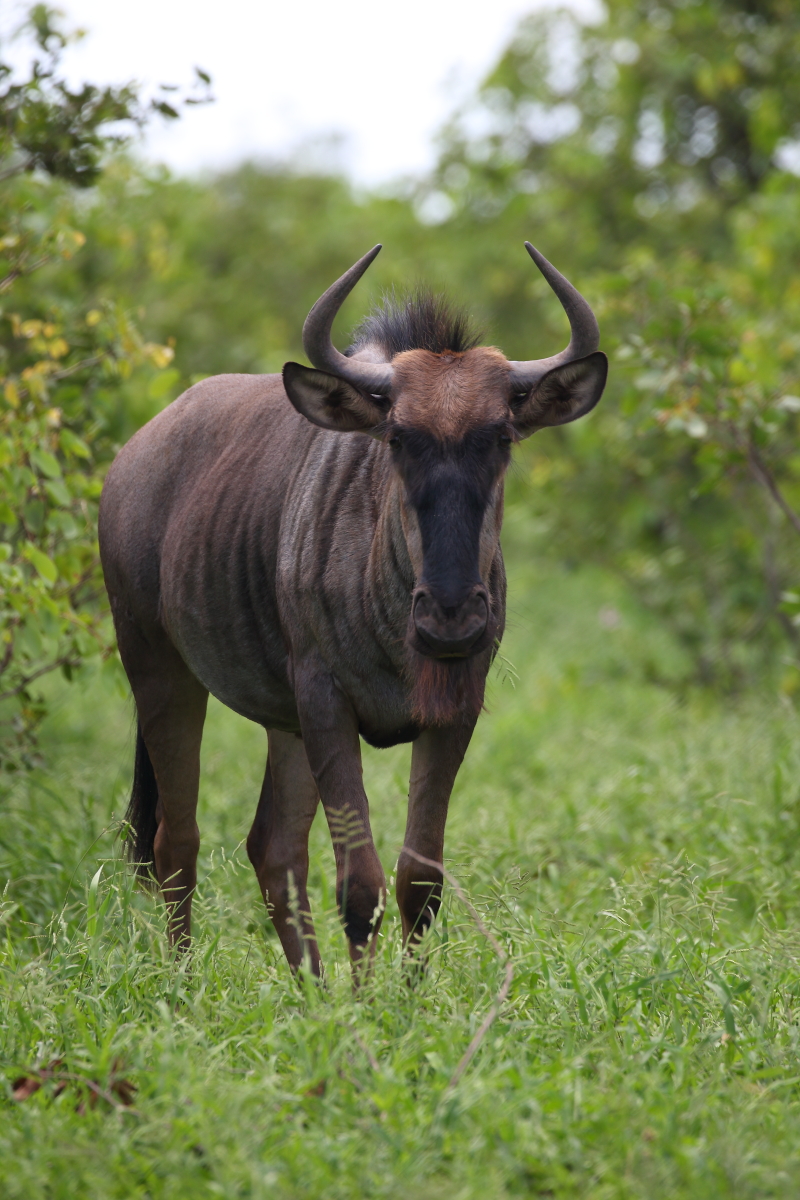
Wildebeest


Hippopotamus


Duiker (?)


African wild dogs and waterbuck.  
With only 450 to 500 African wild dogs in KNP, this was a special sighting.


View from Letaba Rest Camp.


Heron


Crocodile


Plover


Giraffe


View over Olifants River from Olifants Rest Camp


Zebra


Squirrel


Hornbill


African fish eagle


Warthog


Tortoise


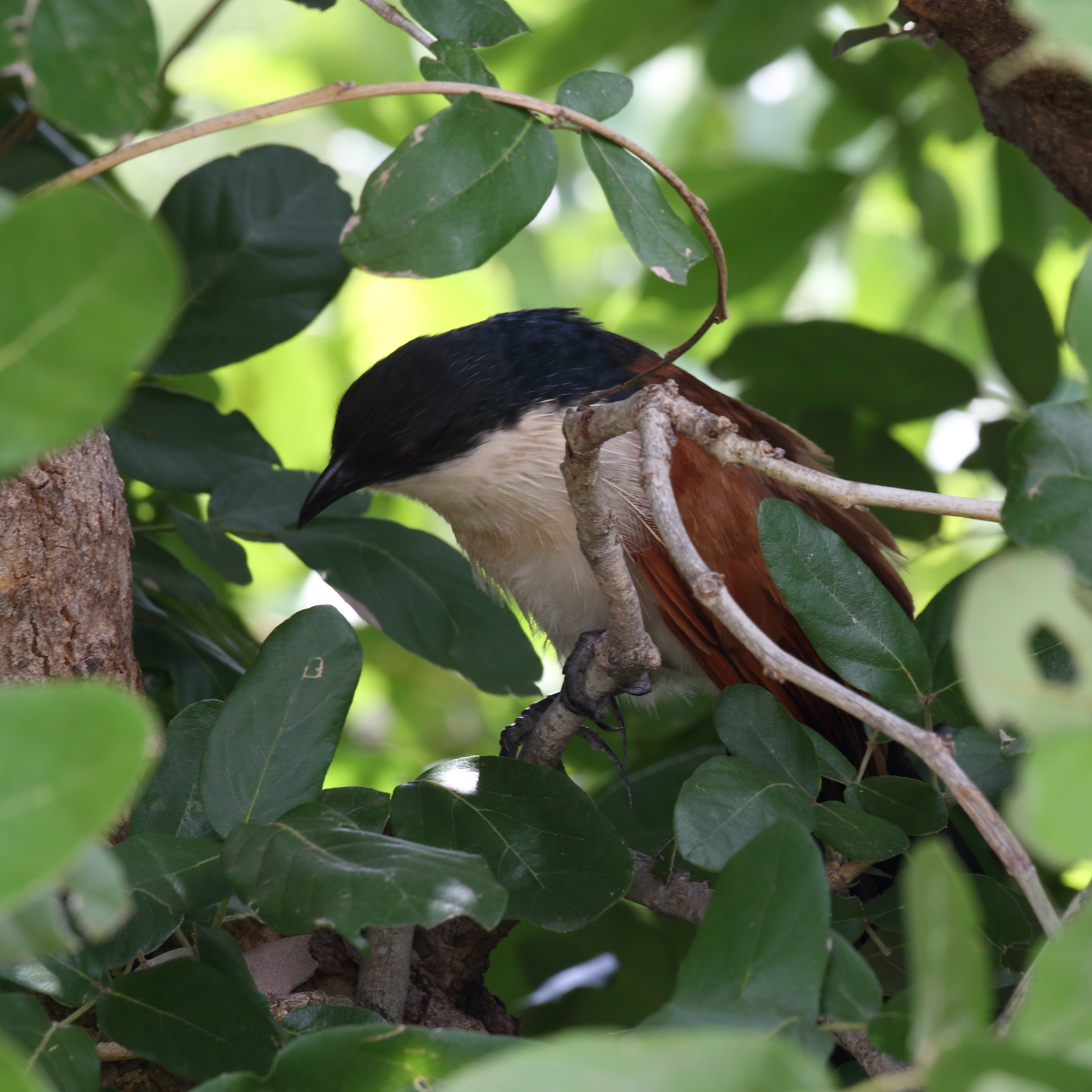
Burchells Coucal


Bee-eater


Throwing mud around!


Kori bustard - the largest flying bird native to Africa


Baobab tree


Stork


Marabou stork


Although difficult to see in this photo, these two juvenile elephants have an even smaller elephant between them. 


And our accommodation at Letaba Rest Camp.